
Let’s be honest: the world of men’s grooming, especially when it comes to beards, is a swamp of bad advice. From your uncle’s “just let it grow” philosophy to slick online ads promising instant Viking-level volume, it’s hard to know what’s real. This confusion isn’t an accident. The beard care industry exploded, and with it came a flood of oversimplified tips, marketing hype disguised as gospel, and old wives’ tales repackaged for social media. The result? Good men with itchy, scraggly, or poorly maintained beards, convinced they’re doing everything right. It’s time to drain the swamp. We’re cutting through the noise and tackling three of the most persistent—and damaging—beard myths head-on.
Myth #1: “Beard Oil and Beard Balm Do the Same Thing”
❌ The Myth: This is the big one. People grab the first product they see with “beard” on the label, thinking oil, balm, and wax are interchangeable tools for a vaguely softer beard. They are not.
✅ The Truth: Think of them as different players on the same sports team, each with a specialized position. Beard oil is primarily a skin and hair conditioner. Its main job is to hydrate the skin underneath your beard (fighting dreaded beardruff and itch) and soften the hair shaft. It offers little to no hold. Beard balm, however, is a multi-tool. It contains conditioning oils and butters (like shea or cocoa) for softness, plus a light holding agent (often beeswax) for styling and control. It conditions while it shapes.
💡 What To Do Instead: Choose based on your need. Is your primary issue dry, flaky skin and coarse hair? Start with a quality beard oil. Do you need to tame flyaways, shape your beard, or add a bit of definition while still conditioning? That’s beard balm territory. Using only oil on a wild, longer beard is like trying to style your hair with only conditioner.
Myth #2: “The More Product You Use, The Better the Results”
❌ The Myth: If a pea-sized amount is good, a tablespoon must be amazing, right? This logic leads to greasy, heavy, product-clogged beards that look like you dipped them in chip fat. I used to believe Myth #2 myself until I left the house looking like I’d wrestled a greased pig.
✅ The Truth: Beard products are concentrated. Their purpose is to coat each hair lightly and absorb into the skin. Overloading doesn’t increase benefits; it just means most of the product sits on top, feeling gross, attracting dust, and potentially clogging pores (hello, acne). A top barber I spoke to put it bluntly: “You’re grooming your beard, not frosting a cake.”
💡 What To Do Instead: Start small. Seriously. For a balm, begin with an amount literally the size of a pea. Rub it vigorously between your palms until it melts and warms up. Then work it through your beard, from the skin outwards. You can always add a tiny bit more if needed, but you can’t take it away. The goal is a beard that feels softer and looks neater, not one that feels crunchy or looks wet.
Myth #3: “Styling Products Like Balm Will Weigh Hair Down or Stunt Growth”
❌ The Myth: This myth scares people away from using styling aids altogether. The fear is that the “chemicals” or the “hold” will damage follicles, make hair fall out, or prevent new growth. It’s the grooming version of “weightlifting will stunt your growth.”
✅ The Truth: High-quality beard balms are designed to support hair health, not hinder it. The truth is, a balm with ingredients like jojoba oil (which mimics your skin’s natural sebum) and vitamin C is delivering nutrients and protecting the hair shaft. The light hold from natural beeswax simply trains hairs to lie in a certain direction; it doesn’t affect the follicle beneath the skin. In fact, by reducing breakage from tangles and protecting hair from environmental damage, a good balm can help your beard appear fuller and healthier as it grows. But wait—if balms stunted growth, wouldn’t every heavily bearded lumberjack be clean-shaven?
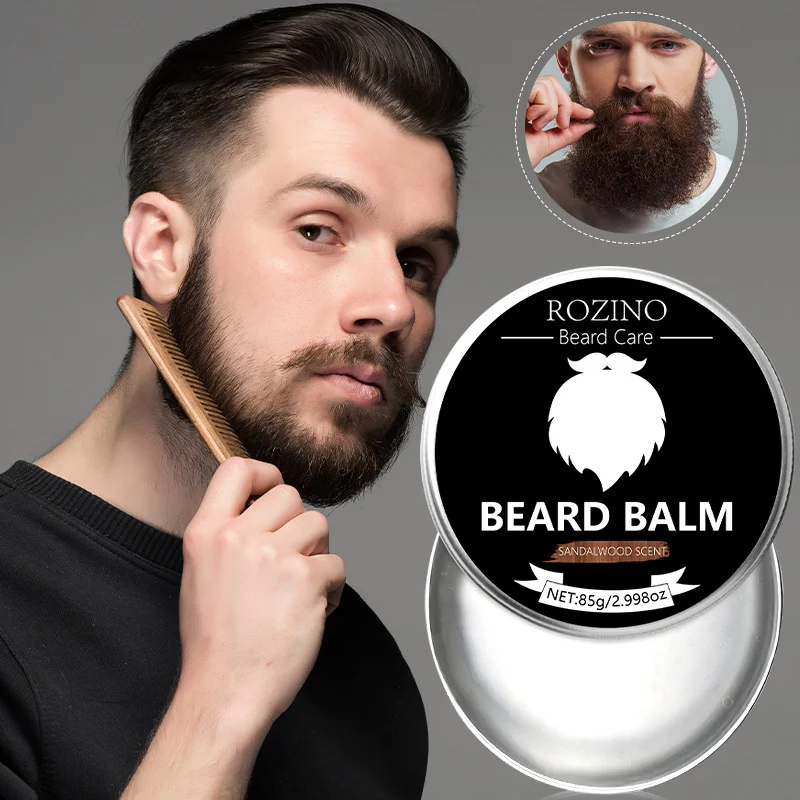
💡 What To Do Instead: Don’t fear the balm. Choose one with a focus on natural conditioning ingredients alongside its hold. A product like the ROZINO Sandalwood Beard Balm is a perfect example of this correct approach. It uses jojoba oil and natural seed oils for deep moisturization, while providing a “natural hold” to style—it’s working with your beard’s biology, not against it.
What Actually Works for a Better Beard
So, with the myths cleared, what’s the evidence-based path to a great beard? It’s simpler than the influencers make it seem.
First, clean and condition properly. Use a beard wash (not harsh bar soap) a few times a week to avoid stripping natural oils. Second, hydrate from the skin up. This is non-negotiable. Whether you choose oil or a conditioning balm, getting moisture to the skin is key to stopping itch and promoting a healthy environment for growth. Third, style according to your length and goals. For short to medium beards that need control, a balm is your best friend. It’s the workhorse that conditions and manages in one step.
This is why a well-formulated balm isn’t a luxury; it’s a strategic tool. The ROZINO balm we mentioned hits the right notes: it has the sandalwood essence for scent, jojoba oil for skin-deep hydration that mimics your body’s own oils, and just enough natural wax to shape without glue-like stiffness. It’s a leave-in conditioner that also styles, which is exactly what most guys need. Finally, be consistent and patient. Genetics play a role, but you can’t control that. You can control consistent care with the right products. Ditch the myths, follow the facts, and your beard—and the skin underneath it—will thank you.

