
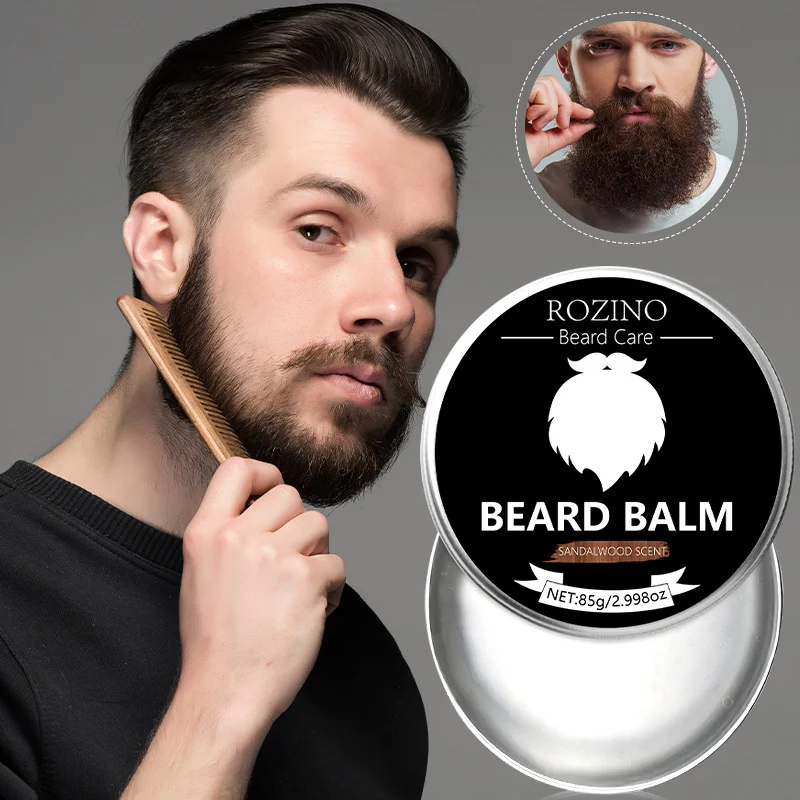
The search for the perfect beard product often starts with a simple goal: control without crunch, hydration without grease. While buzzwords fly, one ingredient consistently ends up in the formulas that work. Jojoba oil has moved from a niche natural remedy to a cornerstone of modern men’s grooming, and for solid scientific reasons.
What Is Jojoba Oil?
Let’s clear something up first. Jojoba oil isn’t technically an oil. It’s a liquid wax ester, a chemical classification it shares with human sebum, the natural oil our skin produces. This similarity is its superpower. Its primary molecule is jojoba alcohol (C20H40O), which pairs with fatty acids to form these unique esters. Because it so closely mimics our body’s own hydrating system, the skin and hair follicles recognize it.
This translates to a few key actions. It provides an occlusive, protective layer on both the skin underneath the beard and the hair shaft itself, preventing moisture loss. Unlike heavy mineral oils that can sit on the surface, jojoba’s molecular weight allows for excellent absorption. It doesn’t clog pores (it’s non-comedogenic) and it helps to soften and smooth the hair’s outer cuticle layer. Essentially, it convinces your skin and hair that everything is perfectly balanced.
The Evidence
The reputation of jojoba is built on more than just anecdotal praise. A 2021 review in the International Journal of Cosmetic Science on plant-derived wax esters highlighted jojoba oil’s exceptional stability and its role in repairing the skin barrier. The research noted its ability to increase skin softness and elasticity, which is critical for combating the dryness and itchiness common under beard hair.
For the hair itself, a 2023 study published in the Journal of Cosmetic Dermatology focused on damaged hair fibers. It found that treatments containing liquid wax esters like jojoba were significantly more effective at reducing surface friction and improving shine than common triglyceride-based oils. This is because the wax esters form a finer, more uniform film that doesn’t weigh hair down, directly supporting claims of “non-greasy” performance.
How ROZINO’s Beard Balm Uses It
Looking at the ROZINO Beard Balm’s positioning, the use of jojoba oil (listed on their site as a key ingredient) is a smart formulation choice. This product aims to be both a styling agent and a leave-in conditioner, which can be a tricky balance. Many styling agents, like certain waxes or polymers, can be drying. Here, jojoba oil likely serves as the primary conditioning and hydrating agent to offset that potential.
The product lists “Natural Seed Oils” alongside it, which could include things like sunflower or grapeseed oil. Jojoba oil’s stability helps protect these more delicate, polyunsaturated oils from oxidizing quickly. It also contains Vitamin C, likely in a stable ester form like ascorbyl tetraisopalmitate, which may offer antioxidant protection for the skin. The synergy is apparent: jojoba provides the foundational, skin-identical hydration and hair softening, other oils add supplemental fatty acids, and Vitamin C could help protect the follicle environment. This creates a multi-angle approach to beard and skin health, not just surface-level styling.
Who Should (and Shouldn’t) Use It
Jojoba oil is one of the most universally tolerated grooming ingredients. Men with dry, itchy skin under their beard will likely see the most immediate benefit from its intense moisturizing properties. Those with coarse, wiry, or unruly beard hair will appreciate its softening effect, which improves manageability and makes styling easier. Because it’s non-comedogenic and closely matches natural sebum, it’s generally safe for those prone to acne or folliculitis around the beard line, though a patch test is always wise.
The “shouldn’t” list is very short. Individuals with a specific, documented allergy to jojoba should avoid it. While extremely rare, it’s possible. For men with exceptionally fine, thin beard hair who are concerned about any added weight, using a very small amount of a jojoba-based product is key. The goal is hydration, not saturation. More research is needed on long-term effects of constant, heavy wax ester application on hair follicle cycling, but current dermatological consensus views it as very safe for topical use.
The Bottom Line
Jojoba oil is far from a marketing gimmick. Its biochemical kinship with our skin’s natural oils gives it a functional edge in grooming products that aim to nourish as they style. In a product like the ROZINO Beard Balm, it’s the workhorse ingredient that delivers the promised moisturizing and conditioning benefits, making the styling waxes and butters more comfortable to wear daily. While a product’s final performance hinges on the entire formula, the inclusion of jojoba oil is a strong indicator that the brand is prioritizing skin and hair health, not just temporary hold. It’s a case where the science of the ingredient and the practical needs of beard care align perfectly.

