
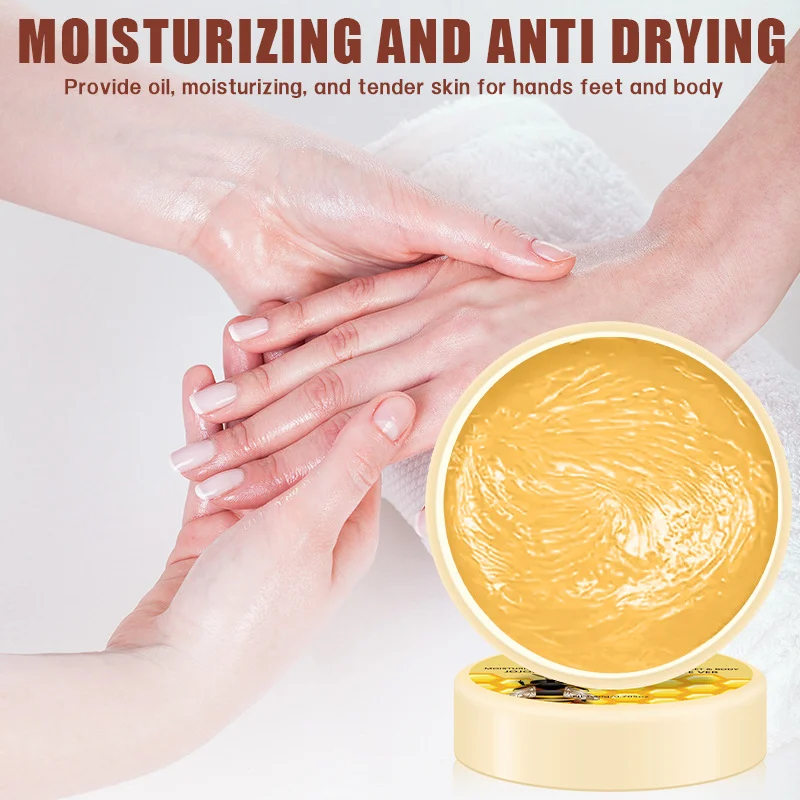
From ancient medicinal practices to the modern skincare aisle, bee venom has transitioned from a niche apitherapy ingredient to a buzzy skincare star. Its promise of a natural, non-invasive “facial” has made it a popular alternative to stronger, synthetic actives. Yet, its very name sparks questions: does it hurt? Can a toxin truly heal? In the context of a repair cream for dry, cracked skin, its inclusion is particularly intriguing. We’re examining the science behind this unusual ingredient to see if the sting is worth the smoothness.
What Is Bee Venom?
Let’s get the obvious out of the way: bee venom (apitoxin) is a complex cocktail of bioactive compounds, not a single substance. It’s primarily a defense mechanism for the bee, a protein-rich secretion from its venom sac. The key component for skincare is a peptide called melittin, which makes up about 50% of its dry weight. Other players include phospholipase A2, apamin, and hyaluronidase. For skincare, the venom is typically collected via non-lethal methods, often using glass plates that encourage bees to sting without harming them.
So how does a toxin work on skin? The proposed mechanism is a “micro-trauma” or controlled irritation. When applied topically, melittin is believed to mildly stimulate sensory neurons and increase blood circulation. More importantly, it may trick the skin into thinking it’s been lightly wounded, prompting a cascade of reparative responses. This includes boosting collagen and elastin production and ramping up the skin’s natural hydration processes. Think of it as a gentle, topical wake-up call to your skin’s repair crew.
The Evidence
While research is more extensive for medical uses like arthritis, dermatological studies are growing. A 2020 pilot study in the Journal of Cosmetic Science investigated a cream containing 0.5% bee venom extract on participants with mild to moderate skin dryness. Researchers noted a statistically significant increase in stratum corneum hydration and a measurable improvement in skin barrier function after eight weeks compared to a placebo cream. The theory is that the venom’s inflammatory signaling, at low doses, triggers a compensatory anti-inflammatory and healing response.
Another 2023 research review published in Dermatologic Therapy analyzed multiple in-vitro and small-scale human studies. It concluded that bee venom’s components, particularly melittin, show promising “anti-aging and moisturizing potential” by modulating inflammatory pathways and promoting fibroblast activity. However, the review consistently called for larger, more standardized clinical trials. Most current evidence supports its role as a supportive moisturizing and plumping agent, as seen in the ROZINO cream’s formulation for cracked skin.
How ROZINO Uses It
The ROZINO Deep Moisturizing Hand and Foot Repair cream presents a classic example of a synergistic, barrier-focused formula where bee venom acts as a supporting actor rather than the sole hero. The product listing highlights bee venom first for its “skin-renewing” properties. In a repair cream for severe dryness and cracking, this aligns with the goal of stimulating skin turnover and repair in areas with thickened, compromised skin like heels.
Critically, the bee venom here is paired with a powerhouse team of emollients and occlusives. Jojoba oil (simmondsia chinensis seed oil) is a near-perfect skin lipid mimic, providing non-greasy slip and reinforcement for the skin barrier. Avocado oil, rich in oleic acid and vitamins, is a deeply penetrating nourisher. Aloe vera soothes any potential sensitivity from the venom, while honey acts as a natural humectant to pull water into the skin. This combination suggests a smart formulation: the bee venom may gently encourage repair from within, while the oils and butters immediately patch the physical cracks and seal in moisture. The concentration of bee venom is not disclosed, but in a non-rinse treatment cream for resilient body skin, it can be effective at lower, well-tolerated percentages.
Who Should (and Shouldn’t) Use It
This product is specifically targeted toward those with dry, rough, or cracked skin on the hands, feet, elbows, and knees. It’s ideal for someone dealing with seasonal dryness, calluses, or heel fissures who wants an intensive, multi-purpose treatment. The rich blend of oils makes it suitable for very dry to normal skin types on the body.
Now, for the important warnings. Anyone with a known allergy to bee stings or bee products (including honey, propolis, and royal jelly) should avoid this cream entirely. The risk of a localized or systemic allergic reaction is real and potentially severe. Even without a known allergy, a patch test on a small area of the inner forearm is non-negotiable. Leave it for 24 hours to check for redness, swelling, or itching. People with active eczema, psoriasis, or widespread skin inflammation should also consult a dermatologist first, as the venom’s stimulating properties could potentially exacerbate flare-ups. More research is needed on long-term effects of daily topical bee venom application, so cyclical use for addressing specific concerns may be prudent.
The Bottom Line
The ROZINO Bee Venom Cream offers a fascinating approach to severe dryness. The science behind bee venom, while still evolving, provides a plausible rationale for its inclusion as a reparative stimulant. Its true strength in this formula, however, likely comes from the classic, effective moisturizing base of jojoba oil, avocado oil, and honey. For the right person—someone with tough, cracked skin and no bee allergies—this cream represents a potent, natural-leaning option that may accelerate healing while providing deep, occlusive comfort. It’s less about a magical sting and more about a well-designed team of ingredients where bee venom plays a specific, targeted role. If you pass the patch test, it could be a valuable player in your intensive foot care routine.


Huh, bee venom for cracked hands… that’s a new one for me! Might have to give it a try this winter.
I was skeptical at first too, Tyler, but my hands have been so much smoother since I started using it.