
For years, the dominant philosophy in scalp care could be summed up as “attack and conquer.” Harsh clarifying agents, aggressive stripping of oils, and a one-size-fits-all approach to cleansing were the norm. Today, that narrative is being rewritten. A significant shift is underway, driven by a demand for formulations that are both effective and respectful of the scalp’s delicate balance. This new wave, often referred to as “smart cleansing,” prioritizes targeted ingredients that address specific concerns—like oiliness or dandruff—without compromising the hair’s integrity or the skin’s health.
According to a report by the Global Haircare Insights Group, nearly 65% of consumers now actively seek out shampoos with “functional ingredients,” moving beyond basic cleansing to products that offer a tangible benefit, such as stimulation or balancing. This isn’t just about marketing; it’s a reflection of a more educated consumer base. Dermatologists and trichologists have long advocated for treating the scalp as an extension of facial skin, requiring a nuanced approach. “The goal is no longer to completely degrease,” says Dr. Alisha Carter, a consulting trichologist. “It’s about regulating sebum production and maintaining a healthy microbiome. Harsh sulfates might give an immediate ‘squeaky-clean’ feel, but they can trigger a rebound overproduction of oil and disrupt the scalp’s barrier.”
This is where ingredient synergy becomes critical. The trend is moving towards pairing actives that have complementary roles. For instance, a stimulating agent might be combined with a nourishing oil to ensure the scalp is awakened and cared for simultaneously. Industry analysts suggest this dual-action approach resonates because it mirrors the “treatment and protect” mentality seen in advanced skincare. Not everyone agrees on the pace of this shift, though. Some experts within established brands argue that consumers’ sensory expectations—like abundant lather—still rely on traditional surfactants, making a complete overhaul to ‘gentle-only’ formulas a challenging market proposition.
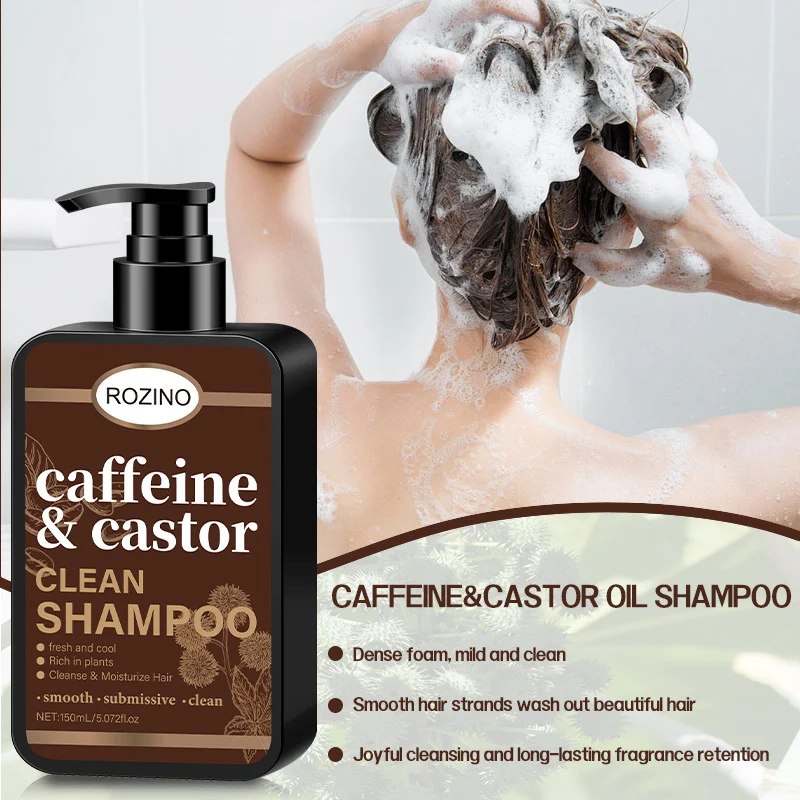
Examining products that align with this smarter cleansing trend offers a clear view of its practical application. Take the ROZINO Caffeine & Castor Oil Shampoo as an example. Its formulation directly addresses the core tenets of the movement. It positions caffeine not merely as a novelty but as a key active for scalp stimulation, which is linked to promoting a healthier environment for hair growth. Simultaneously, it incorporates castor oil, a renowned emollient, to provide the “respectful” counterbalance. The product’s stated aims—oil control and anti-dandruff paired with smooth, manageable hair—exemplify the dual-target philosophy.
What does this evolving trend mean for your daily routine? The primary takeaway is to become an ingredient-aware shopper. Look beyond the front label claims and assess the formula’s balance. A product designed for oil control should not leave your hair feeling like straw; it should include hydrating or moisturizing components to offset potential dryness. Consider your cleansing goals: is it pure degreasing, or is it balancing and refreshing? The latter is the hallmark of the smart cleansing approach. Finally, pay attention to sensory feedback. A “refreshing” clean that leaves hair with body and shine, rather than a parched, tight scalp, is a good indicator that a product is working with your biology, not against it. The future of hair care is looking less like a battle and more like a tailored regimen, where cleansing is an act of targeted care.
James Rodriguez, Esthetician
Licensed esthetician specializing in corrective skincare since 2015.

