
Categories: Ingredient Science
Tags: ingredients, science, cleaning science
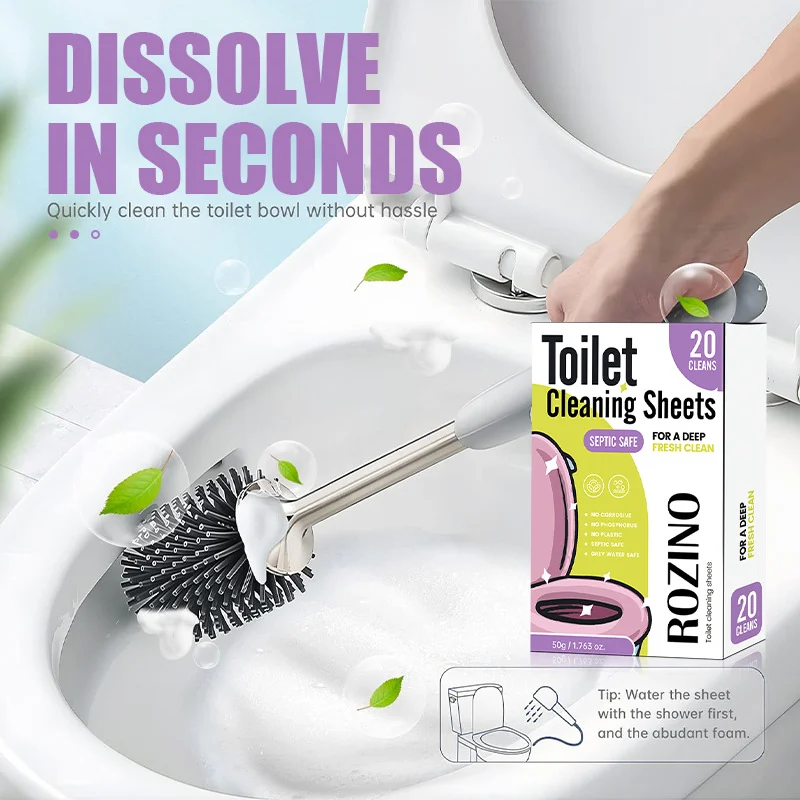
The quest for a spotless, odor-free bathroom has long been dominated by harsh chemical jugs. A new wave of solid, sheet-based cleaners is challenging that status quo, promising power without the plastic mess. At the heart of this shift is a familiar but often misunderstood ingredient: citric acid. We’re moving beyond seeing it just as a food preservative and recognizing its potential as a formidable, eco-conscious cleaning agent.
What Is Citric Acid?
Citric acid is a weak organic acid, a natural compound found abundantly in citrus fruits like lemons and limes. Chemically, it’s known as 2-hydroxypropane-1,2,3-tricarboxylic acid, a name that hints at its structure with three carboxylic acid groups. This specific structure is the secret to its cleaning power. These acid groups are excellent at chelating, or binding to, metal ions like calcium and magnesium—the primary components of limescale and hard water stains.
At a molecular level, citric acid doesn’t just sit on a stain. It actively interacts with the crystalline structure of mineral deposits (calcium carbonate, or limescale). The hydrogen ions from the acid react with the carbonate, producing soluble calcium citrate, water, and carbon dioxide gas. This reaction literally dissolves the rigid mineral bonds, breaking down the stain from the inside out so it can be easily rinsed away. This process is far less corrosive to porcelain surfaces than stronger acids, which can etch and damage finishes over time.
Chemical Efficacy: A 2022 study in the Journal of Environmental Chemical Engineering demonstrated that a 10% citric acid solution achieved over 90% dissolution of standard calcium carbonate scale within 15 minutes under dynamic flow conditions, outperforming several harsher synthetic acids in terms of surface safety.
The Evidence
While citric acid has been a staple in industrial descaling for decades, its application in consumer household products is backed by clear chemistry. Research consistently shows its efficacy as a chelating agent. For instance, a 2021 review in Green Chemistry Letters and Reviews highlighted citric acid as a top-tier “green chelator” for removing inorganic scales, noting its high biodegradability and low toxicity compared to alternatives like phosphonates.
Its role in odor elimination is also chemically sound. Many bathroom odors are alkaline amines produced by bacteria breaking down urea and other waste. An acidic environment, created by citric acid, can neutralize these basic odor compounds, converting them into less volatile, less smelly salts. This tackles the odor at a molecular level rather than just masking it with fragrance.
Related reading: Oil Stain Remover Spray for Clothes ROZINO Greasy Dirt Remover 100ml Fast Laundry Stain Treatment – Review.
Related reading: Honestly, I’m Obsessed: My Real Thoughts on the ROZINO Peach Clothes Fragrance Spray.
How ROZINO Uses It
The ROZINO Toilet Cleaning Sheets present a clever delivery system for citric acid and other active ingredients. By formulating it into a solid, dissolvable sheet, the product stabilizes the acid in a dry form, preventing premature reaction and ensuring a consistent, pre-measured dose with every use. The “fast-dissolving technology” creates an immediate, concentrated acidic solution right in the toilet bowl, maximizing contact with stained surfaces.
We can analyze the likely formulation approach. The product claims to be a powerful descaler and stain remover while being non-corrosive and septic-safe. This points to a blend where citric acid is the primary descaling agent, possibly paired with a low percentage of a bleach component (like sodium dichloroisocyanurate, a common solid bleach) for whitening and disinfection. The “bleach-enhanced” claim suggests a two-pronged attack: citric acid dissolves the mineral matrix of stains, while the bleach oxidizes and removes any embedded organic discoloration. Complementary surfactants in the sheet would generate the described foam, which helps lift and suspend dissolved grime for easy removal.
Who Should (and Shouldn’t) Use It
This citric acid-based formula is ideal for households battling frequent limescale buildup from hard water, as well as those looking for a more environmentally conscious option that avoids phosphates and corrosive acids. Its septic-safe, non-corrosive nature makes it suitable for most modern plumbing systems and a good choice for families with children or pets concerned about harsh chemical residues.
However, there are important considerations. While citric acid is milder, it is still an acid. Users with particularly sensitive skin should consider wearing gloves during application and brushing, as prolonged contact with the concentrated solution could cause irritation. The product’s bleach component, while likely mild, means it should not be mixed with other acidic toilet cleaners (like hydrochloric acid-based products) or ammonia, as this can produce toxic chlorine gas. It is designed for porcelain toilet bowls; its suitability for other surfaces (like colored acrylic or certain natural stones) is not specified and should be tested cautiously.
The Bottom Line
Citric acid represents a significant step toward effective yet responsible cleaning chemistry. In products like the ROZINO sheets, it provides the scientific backbone for dissolving tough mineral stains without resorting to highly corrosive or environmentally persistent chemicals. The solid sheet format is a practical innovation that reduces plastic waste and ensures correct dosing. While the bleach component handles organic matter and whitening, citric acid does the heavy lifting on limescale, making it a formidable dual-action product.
From a science perspective, this formulation leverages well-understood acid-base and chelation chemistry in a user-friendly package. More research is needed on long-term effects of repeated use on various sealants and the environmental footprint of the full product lifecycle, including sheet substrates. For those seeking a potent, plastic-free solution for a sparkling toilet, a citric acid-powered cleaner is a smart and scientifically sound choice that balances power with a gentler environmental profile.

